
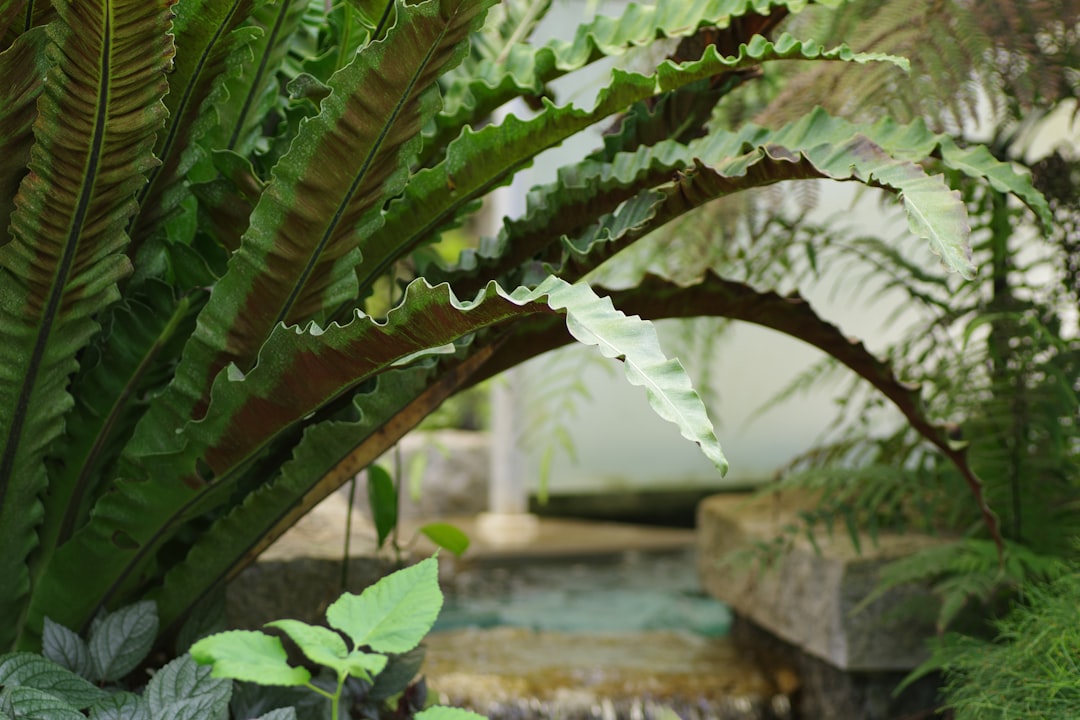
Honey bush, a fast - growing tropical plant with large, attractive blue - green leaflets, is a wonderful addition to any garden. In this article, we will explore essential tips for growing this remarkable plant.
### Understanding the Honey Bush
The honey bush belongs to the family of shrubs and vines. Its distinct blue - green leaflets not only add aesthetic appeal to the garden but also have certain ecological benefits. Before you start growing honey bush, it's important to understand its natural habitat. Honey bush thrives in tropical regions, which means it prefers warm and humid conditions. It is adapted to a specific range of soil types and light requirements.
### Selecting the Right Location
When choosing a location for your honey bush, sunlight is a crucial factor. Honey bush needs plenty of sunlight, but it can also tolerate partial shade. A spot that receives at least 6 hours of sunlight a day is ideal. However, in extremely hot climates, some afternoon shade can prevent the plant from getting scorched. The soil should be well - drained. Honey bush does not do well in waterlogged soil as it can lead to root rot. You can test the soil drainage by digging a hole about 12 inches deep and filling it with water. If the water drains within a few hours, the soil is suitable. If not, you may need to amend the soil with organic matter such as compost or peat moss to improve drainage.
### Preparing the Soil
As mentioned earlier, honey bush has specific soil requirements. The soil should be slightly acidic to neutral, with a pH range of 6.0 - 7.0. You can use a soil testing kit to determine the pH of your soil. If the soil is too alkaline, you can lower the pH by adding sulfur or acidic fertilizers. Incorporating organic matter into the soil before planting is highly recommended. Organic matter not only improves soil structure but also provides essential nutrients for the plant. Spread a layer of compost or well - rotted manure over the planting area and dig it in to a depth of about 8 - 10 inches.
### Planting the Honey Bush
When it comes to planting honey bush, timing is important. The best time to plant is during the spring or early summer when the soil has warmed up. Dig a hole that is twice as wide and just as deep as the root ball of the plant. Gently remove the plant from its container and place it in the hole. Make sure the top of the root ball is level with the surrounding soil. Backfill the hole with soil, firming it gently around the base of the plant. Water the plant thoroughly after planting to settle the soil around the roots.
### Watering and Fertilizing
Proper watering is essential for the growth of honey bush. During the first few weeks after planting, keep the soil consistently moist but not waterlogged. Once the plant is established, it can tolerate some drought, but regular watering is still necessary, especially during dry spells. A good rule of thumb is to water deeply once a week, allowing the water to penetrate the root zone. Fertilizing honey bush is also important. Use a balanced, slow - release fertilizer in the spring. Follow the instructions on the fertilizer package for the correct application rate. Avoid over - fertilizing, as this can lead to excessive growth and weak plants.
### Pruning and Maintenance
Pruning honey bush helps to maintain its shape and promote healthy growth. You can prune the plant in the late winter or early spring before new growth begins. Remove any dead, damaged, or diseased branches. You can also shape the plant by selectively pruning branches. Regularly inspect the plant for pests and diseases. Common pests that may affect honey bush include aphids and spider mites. You can control these pests with insecticidal soap or neem oil. Diseases such as powdery mildew can be prevented by ensuring good air circulation around the plant.
### Propagation
If you want to expand your honey bush collection or share it with others, propagation is an option. Honey bush can be propagated from cuttings. Take 4 - 6 inch cuttings from healthy, mature plants in the spring or summer. Remove the lower leaves and dip the cut end in rooting hormone. Plant the cuttings in a well - drained potting mix and keep them in a warm, humid environment. With proper care, the cuttings should root within a few weeks.
In conclusion, growing honey bush can be a rewarding experience. By following these essential tips on location selection, soil preparation, planting, watering, fertilizing, pruning, and propagation, you can enjoy the beauty of this fast - growing tropical plant in your own garden.