
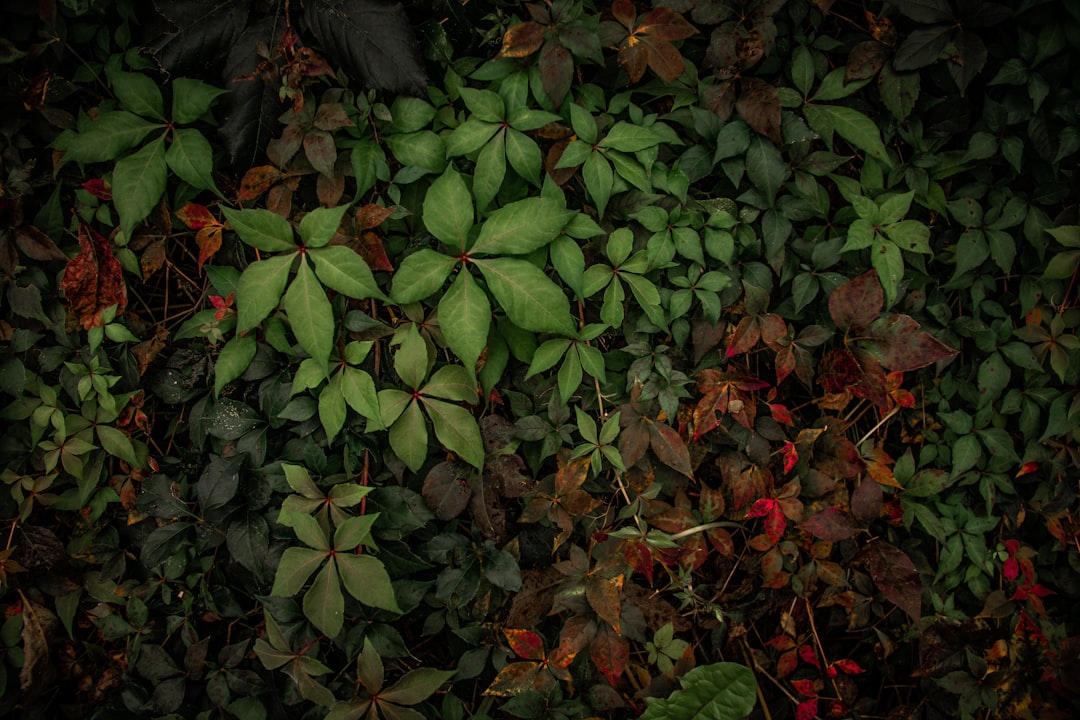
Are you tired of the same old, boring lawn? Do you dream of a yard that is not only visually stunning but also sustainable? Look no further than meadowscaping! With these expert tips, you can transform some or all of your lawn into a beautiful meadow that will be the envy of the neighborhood.
Meadowscaping is a landscaping technique that involves replacing traditional grass lawns with a diverse mix of native plants, wildflowers, and grasses. This approach not only creates a more natural and aesthetically pleasing landscape but also provides numerous environmental benefits. Native plants are adapted to the local climate and soil conditions, which means they require less water, fertilizer, and pesticides. They also provide habitat for pollinators, birds, and other wildlife, helping to support biodiversity in your area.
Before you start meadowscaping, it's important to assess your yard and determine the best approach for your space. Consider factors such as the amount of sunlight, soil type, and drainage. You may also want to consult with a local landscaper or gardening expert to get advice on the best plants for your region.
Once you have a plan in place, it's time to start preparing your soil. Remove any existing grass or weeds from the area using a sod cutter or herbicide. Then, loosen the soil to a depth of at least 6 inches using a tiller or garden fork. This will help the new plants establish their roots more easily.
Next, it's time to choose your plants. Look for a mix of native wildflowers, grasses, and shrubs that are well-suited to your area. You can purchase seeds or plants from a local nursery or online retailer. Make sure to choose a variety of plants that bloom at different times of the year to provide continuous color and interest.
When planting your meadow, it's important to follow the instructions on the seed packets or plant labels. Some plants may need to be started indoors and transplanted outside later, while others can be sown directly into the soil. Make sure to space the plants appropriately to allow for growth and airflow.
After planting, water your meadow regularly to help the plants establish their roots. Once the plants are established, they will require less water, but you may still need to water them during dry spells. You can also mulch the area with a layer of organic material, such as wood chips or straw, to help retain moisture and suppress weeds.
Maintaining your meadow is relatively easy. You will need to mow the area once or twice a year to keep the plants from getting too tall and to encourage new growth. You can also remove any invasive plants or weeds that may appear. However, it's important to avoid using pesticides or herbicides, as these can harm the native plants and wildlife in your meadow.
In addition to the environmental benefits, meadowscaping can also add value to your property. A beautiful, sustainable yard is a great selling point for potential buyers, and it can also make your home more enjoyable to live in. So why not give meadowscaping a try and transform your yard into an enchanting oasis?
Another advantage of meadowscaping is that it can be customized to fit your personal style and preferences. You can choose to create a wild, natural-looking meadow or a more formal, structured one. You can also add features such as paths, benches, or water features to enhance the beauty and functionality of your yard.
If you're concerned about the cost of meadowscaping, don't be. While the initial investment may be higher than traditional lawn maintenance, the long-term savings on water, fertilizer, and pesticides can more than make up for it. Plus, you'll be doing your part to protect the environment and support local wildlife.
Finally, meadowscaping is a fun and rewarding project that you can do with your family and friends. It's a great way to get outside, connect with nature, and create something beautiful that will last for years to come. So gather your tools, choose your plants, and get started on your meadowscaping adventure today!