
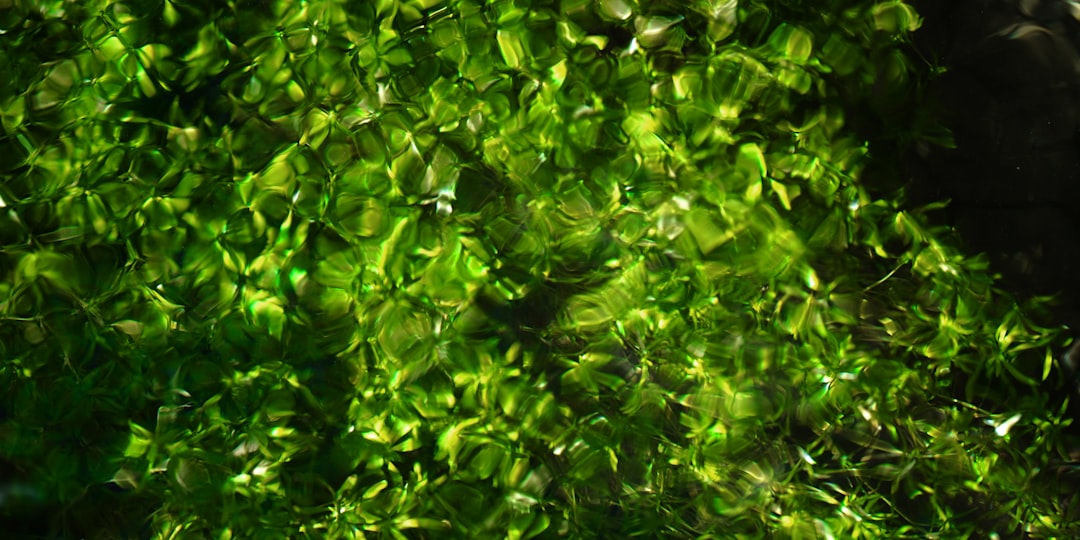
In the realm of gardening and landscaping, water gardens stand out as serene and captivating features. Among the various water plants that adorn these aquatic havens, water clover presents a unique and fascinating presence. At first glance, water clover may seem like a dense mat of lucky four - leaf clovers, but in reality, it is a fast - growing aquatic fern.
Water clover, scientifically known as Marsilea quadrifolia, has a rich history and a set of characteristics that make it both an interesting and useful addition to water gardens. Its leaves are divided into four leaflets, which gives it the resemblance to the well - known four - leaf clover. This visual similarity adds an element of charm and novelty to any water garden. The leaves are attached to long, slender stalks that rise above the water surface, creating a delicate and airy appearance.
One of the most remarkable aspects of water clover is its growth rate. It is a fast - growing plant, which means that it can quickly cover the surface of a water body, providing shade and shelter for fish and other aquatic organisms. This shading effect also helps to control the growth of algae in the water garden. Algae can be a common problem in water gardens, as it can make the water look murky and can compete with other plants for nutrients. By covering the water surface, water clover reduces the amount of sunlight that reaches the algae, thus inhibiting its growth.
In addition to its practical benefits, water clover also has aesthetic value. The dense mats of leaves create a soft, green carpet on the water surface, which can be a beautiful contrast to the surrounding landscape. It can be used in combination with other water plants, such as water lilies and lotus, to create a diverse and visually appealing water garden. The different textures and colors of the plants can add depth and interest to the overall design.
When it comes to caring for water clover, it is relatively easy to maintain. It prefers shallow water, typically up to 12 inches deep, and can tolerate a wide range of water conditions. It can grow in both still and slow - moving water, making it suitable for various types of water gardens, from small backyard ponds to larger public water features. Water clover also thrives in full sun to partial shade. In areas with hot summers, partial shade can help prevent the leaves from getting scorched.
Propagation of water clover is also straightforward. It can be propagated by dividing the rhizomes, which are the underground stems of the plant. This can be done in the spring or fall when the plant is actively growing. Simply dig up the plant, separate the rhizomes, and replant them in a new location in the water garden. With proper care, the new plants will quickly establish themselves and start to grow.
However, it is important to note that water clover can be invasive in some regions. Its fast - growing nature means that it can spread rapidly and outcompete native plants. Therefore, it is essential to check local regulations before introducing water clover to a water garden. In some areas, it may be necessary to take measures to control its growth, such as regularly thinning out the plants or using barriers to prevent its spread.
Another aspect to consider is the role of water clover in the ecosystem of the water garden. It provides food and habitat for a variety of insects, such as dragonflies and damselflies. These insects, in turn, can help to control pests in the garden. The roots of water clover also help to filter the water, removing pollutants and excess nutrients. This can improve the water quality and create a healthier environment for all the organisms in the water garden.
In conclusion, water clover is a remarkable plant that offers both aesthetic and practical benefits in water gardens. Its unique appearance, fast - growing nature, and relatively easy maintenance make it a popular choice for landscapers and gardeners. However, it is crucial to be aware of its potential invasiveness and to take appropriate measures to ensure its proper management. With careful planning and care, water clover can be a valuable addition to any water garden, enhancing its beauty and ecological balance.