
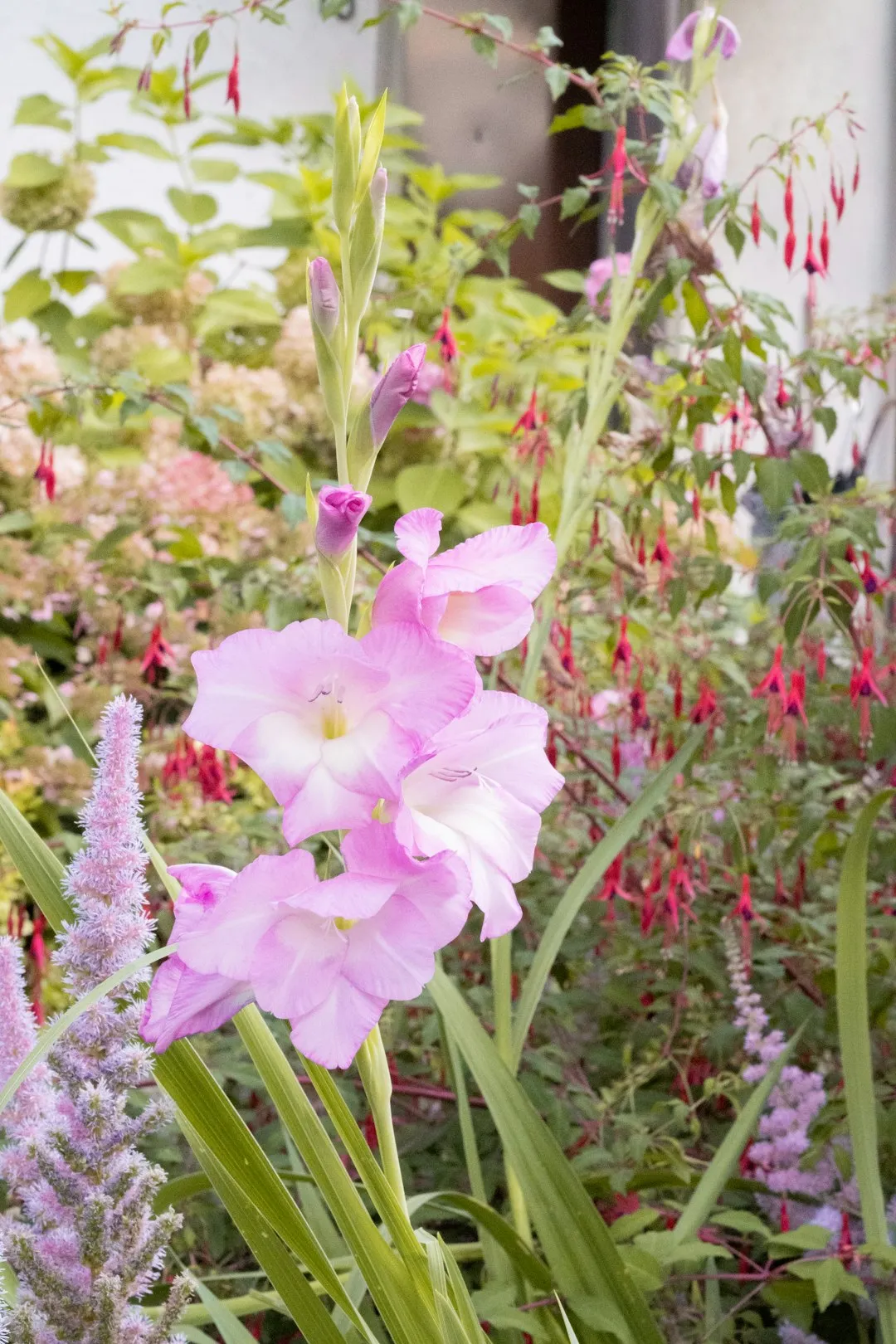
In the world of gardening, the battle against pests like aphids and cabbage loopers can often feel like an uphill struggle. However, there's a natural and effective solution that many gardeners overlook: attracting beneficial insects. These tiny allies can help keep your garden healthy and thriving by preying on common pests, reducing the need for chemical pesticides. In this guide, we'll explore the best plants to attract these beneficial insects and how to incorporate them into your organic garden.
### Why Attract Beneficial Insects?
Beneficial insects play a crucial role in maintaining the ecological balance of your garden. They act as natural predators, feeding on pests that can damage your plants and reduce your harvest. By attracting these insects, you can create a self-sustaining ecosystem that keeps pest populations in check without the use of harmful chemicals. This not only benefits your plants but also the environment as a whole.
### Best Plants for Attracting Beneficial Insects
#### 1. Dill (Anethum graveolens)
Dill is a versatile herb that is not only delicious in the kitchen but also a magnet for beneficial insects. Its delicate, feathery foliage and yellow flowers attract a variety of insects, including ladybugs, lacewings, and parasitic wasps. These insects are natural predators of aphids, caterpillars, and other pests. Plant dill near your vegetable garden or in a flower bed to encourage these beneficial insects to visit.
#### 2. Fennel (Foeniculum vulgare)
Fennel is another herb that is highly attractive to beneficial insects. Its tall, slender stems and yellow flower clusters provide a valuable source of nectar and pollen for many species. In particular, fennel is known to attract hoverflies, which are excellent predators of aphids. Hoverfly larvae can consume large numbers of aphids, making them an important ally in the fight against these pests. Plant fennel in a sunny location and watch as it attracts a steady stream of beneficial insects to your garden.
#### 3. Yarrow (Achillea millefolium)
Yarrow is a hardy perennial that is native to many parts of the world. It has fern-like foliage and flat-topped clusters of flowers that come in a variety of colors, including white, yellow, pink, and red. Yarrow is a favorite of many beneficial insects, including bees, butterflies, and predatory wasps. These insects help to pollinate your plants and control pest populations. Plant yarrow in a well-drained soil and full sun for best results.
#### 4. Marigolds (Tagetes spp.)
Marigolds are a popular annual flower that is known for its bright colors and strong scent. They are also effective at repelling certain pests, such as nematodes and whiteflies. In addition, marigolds attract beneficial insects, such as ladybugs and lacewings, which feed on aphids and other pests. Plant marigolds around the perimeter of your vegetable garden or interplant them with your vegetables to provide a natural barrier against pests.
#### 5. Cosmos (Cosmos bipinnatus)
Cosmos is a beautiful annual flower that is easy to grow and attracts a wide range of beneficial insects. Its daisy-like flowers come in a variety of colors, including pink, white, and purple. Cosmos is a favorite of bees, butterflies, and hoverflies, which help to pollinate your plants and control pest populations. Plant cosmos in a sunny location and deadhead the flowers regularly to encourage continuous blooming.
### How to Incorporate Beneficial Plants into Your Garden
Now that you know which plants are best for attracting beneficial insects, it's time to start incorporating them into your garden. Here are some tips to help you get started:
#### 1. Plan Your Garden Layout
Before you start planting, take some time to plan your garden layout. Consider the size and shape of your garden, as well as the specific needs of your plants. Group plants together based on their water, sunlight, and soil requirements. This will make it easier to care for your plants and ensure that they thrive.
#### 2. Plant in Clumps
Beneficial insects are more likely to be attracted to your garden if you plant your beneficial plants in clumps rather than scattering them throughout the garden. This creates a more concentrated source of nectar and pollen, making it easier for the insects to find and feed. Aim to plant at least three to five plants of each species in a group.
#### 3. Provide Shelter and Water
In addition to providing food, it's important to provide shelter and water for your beneficial insects. You can do this by creating a variety of habitats in your garden, such as rock piles, log piles, and dense vegetation. These areas provide a place for the insects to rest, hide, and reproduce. You can also provide a shallow dish of water with some pebbles or rocks in it to give the insects a place to drink.
#### 4. Avoid Using Pesticides
One of the most important things you can do to attract beneficial insects to your garden is to avoid using pesticides. Pesticides can kill both pests and beneficial insects, disrupting the ecological balance of your garden. Instead, try using natural pest control methods, such as handpicking pests, using insecticidal soaps and oils, and encouraging beneficial insects to do the work for you.
### Conclusion
Attracting beneficial insects to your garden is a simple and effective way to control pests and maintain a healthy, thriving garden. By planting the right plants and providing them with the right conditions, you can create a natural ecosystem that benefits both your plants and the environment. So, get out there and start planting! Your garden (and the beneficial insects) will thank you for it.