
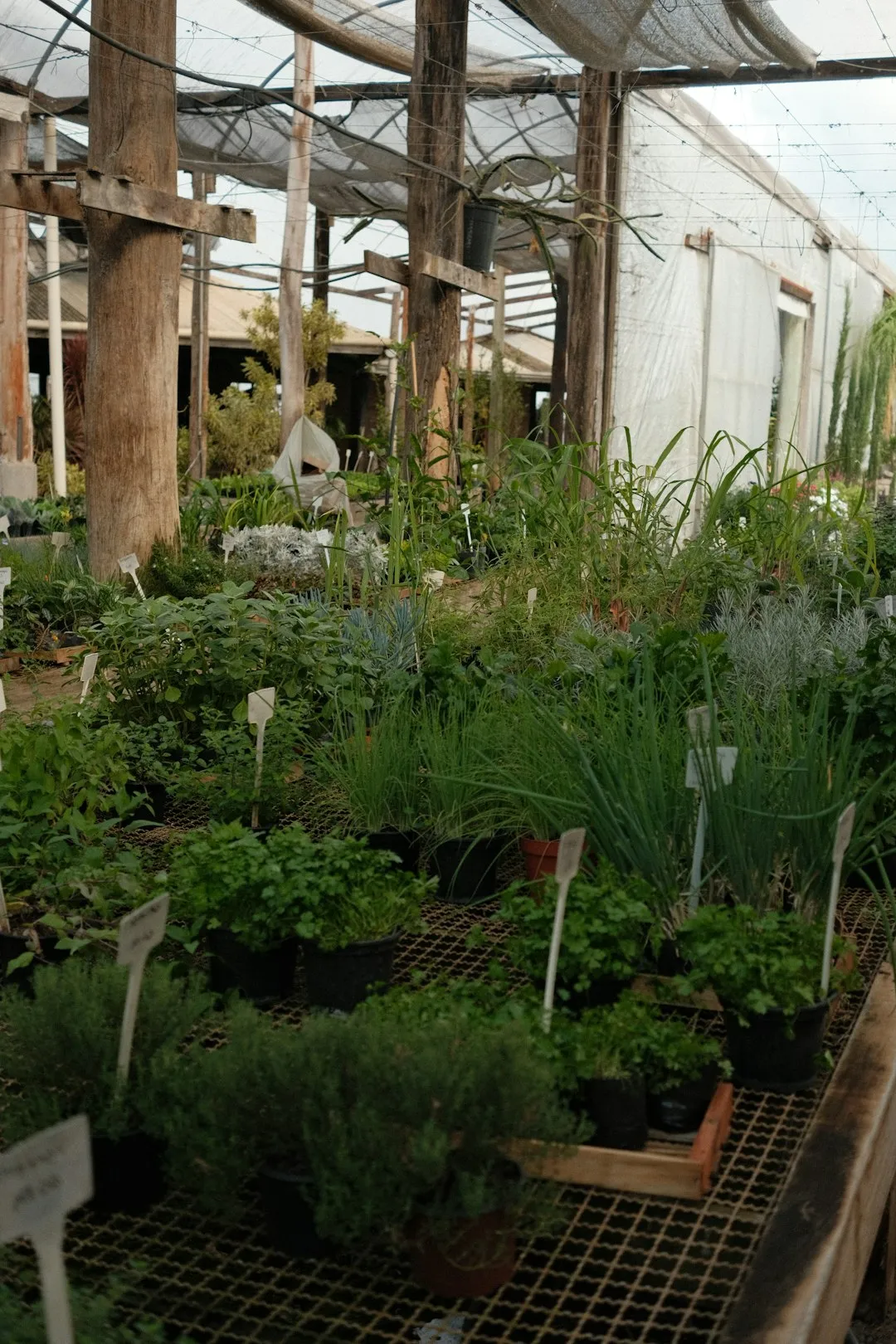
Organic gardening has gained significant popularity in recent years, and for good reason. Whether you're cultivating a colorful flower bed, a bountiful vegetable patch, or nurturing houseplants, the use of organic fertilizers can make all the difference in the health and vitality of your plants. These fertilizers are derived from natural sources and are packed with essential nutrients that promote robust growth and overall plant well - being.
One of the primary advantages of organic fertilizers is their ability to improve soil structure. Unlike synthetic fertilizers that can sometimes lead to soil compaction over time, organic fertilizers enhance the soil's texture, allowing for better water infiltration and root penetration. For instance, compost, a well - known organic fertilizer, is rich in organic matter. When added to the soil, it helps to create a loose and crumbly soil structure. This not only provides a better environment for roots to grow but also supports beneficial soil organisms such as earthworms and bacteria.
Another key benefit is the slow - release nature of organic fertilizers. They gradually release nutrients into the soil, providing a steady supply of nourishment to plants over an extended period. This is in contrast to synthetic fertilizers, which often deliver a quick but short - lived burst of nutrients. Bone meal, for example, is a natural source of phosphorus and calcium. When incorporated into the soil, it breaks down slowly, ensuring that plants have access to these vital nutrients when they need them most, especially during the flowering and fruiting stages.
There are several types of organic fertilizers available, each with its own unique nutrient profile. Manure is a classic organic fertilizer. Cow manure, horse manure, and chicken manure are commonly used. Cow manure is relatively low in nutrients but is great for improving soil structure. Horse manure is rich in nitrogen and can be a good source of quick - acting nutrients. Chicken manure, on the other hand, is extremely high in nitrogen, phosphorus, and potassium. However, it needs to be composted properly before use to avoid burning the plants due to its high ammonia content.
Seaweed is another excellent organic fertilizer. It contains a wide range of micronutrients, including iron, zinc, and manganese, as well as growth - promoting hormones. Seaweed extract can be used as a foliar spray or added to the soil. When used as a foliar spray, it can be quickly absorbed by the leaves, providing an immediate boost to the plant's health. When added to the soil, it helps to improve soil fertility and water - holding capacity.
Cover crops are also an important part of organic gardening and can serve as a natural fertilizer. Plants such as clover, vetch, and rye are often used as cover crops. They have the ability to fix nitrogen from the atmosphere and store it in their roots. When these cover crops are turned into the soil, the nitrogen is released, enriching the soil for future plantings. Additionally, cover crops help to prevent soil erosion, suppress weeds, and improve soil biodiversity.
When using organic fertilizers, it's important to follow the recommended application rates. Over - applying organic fertilizers can still lead to nutrient imbalances in the soil. It's also a good idea to test your soil periodically to determine its nutrient content and pH level. This will help you choose the right organic fertilizers and make any necessary adjustments to ensure optimal plant growth.
In conclusion, organic fertilizers are a sustainable and effective way to grow healthy plants. Whether you're a novice gardener or an experienced horticulturist, incorporating these natural fertilizers into your gardening routine can lead to more vibrant, productive gardens. By understanding the different types of organic fertilizers and their benefits, you can make informed decisions and create a thriving garden ecosystem.