
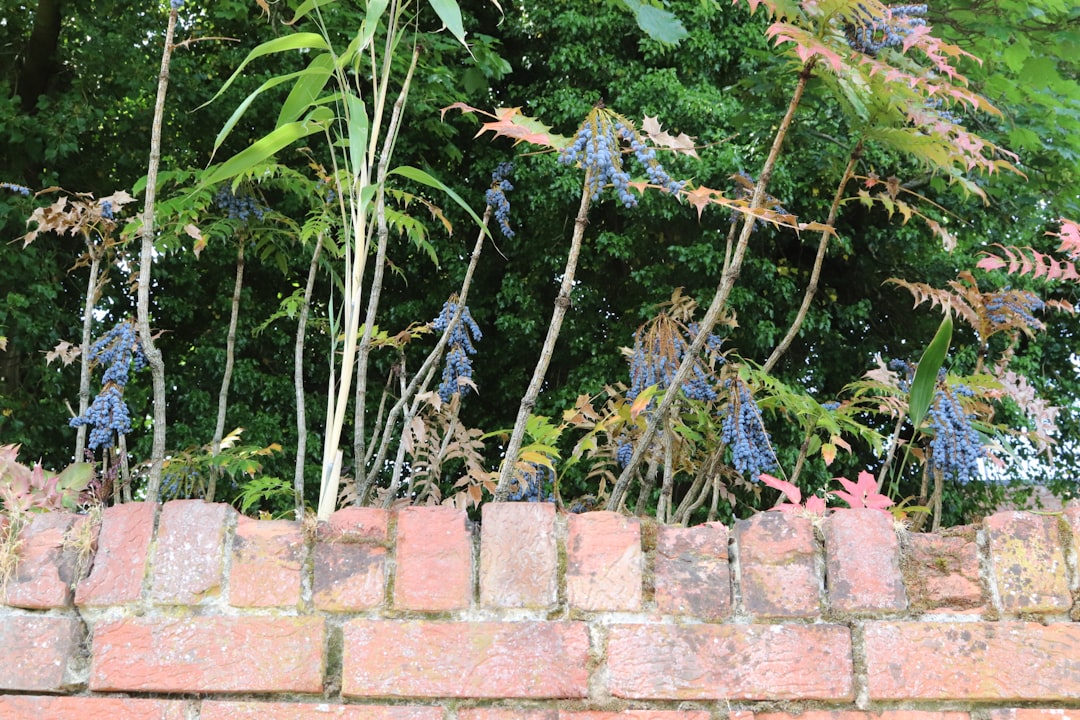
Do you dream of having a backyard filled with the fluttering of butterflies, the buzzing of bees, and the chirping of birds? Creating a wildlife habitat in your backyard is not only a rewarding experience but also a great way to contribute to the local ecosystem. With these tips, you can attract a variety of birds, butterflies, bees, and other critters to your outdoor space.
1. Choose Native Plants
Native plants are the foundation of a successful wildlife habitat. They have evolved to thrive in your local climate and soil conditions, and they provide food and shelter for native wildlife. When selecting plants for your garden, look for species that are native to your area. Some popular native plants for attracting wildlife include coneflowers, milkweed, and bee balm. These plants produce nectar, pollen, and seeds that are essential food sources for birds, butterflies, and bees.
2. Provide Water Sources
Water is essential for all living things, and providing a water source in your backyard will attract a wide range of wildlife. You can create a simple water feature, such as a birdbath or a small pond, to provide drinking and bathing water for birds and other animals. Make sure to keep the water clean and fresh, and change it regularly to prevent the growth of algae and bacteria. You can also add a few rocks or pebbles to the water feature to provide perches for birds and other critters.
3. Create Shelter and Nesting Sites
Wildlife needs places to hide, rest, and raise their young. You can create shelter and nesting sites in your backyard by incorporating a variety of habitats, such as trees, shrubs, and brush piles. Trees and shrubs provide cover and nesting sites for birds, while brush piles offer shelter for small mammals and reptiles. You can also install birdhouses, bat boxes, and bee hotels to provide additional nesting sites for wildlife.
4. Avoid Using Pesticides and Herbicides
Pesticides and herbicides can be harmful to wildlife, so it's important to avoid using them in your garden. Instead, use natural methods to control pests and weeds, such as handpicking insects, using companion planting, and applying organic fertilizers. You can also attract beneficial insects, such as ladybugs and lacewings, to your garden to help control pests naturally.
5. Provide Food Sources
In addition to native plants, you can provide additional food sources for wildlife in your backyard. You can set up bird feeders filled with seeds, nuts, and suet to attract a variety of birds. You can also plant fruit trees and berry bushes to provide food for birds and other animals. Another option is to create a butterfly garden with plants that produce nectar, such as butterfly weed and lantana.
6. Maintain Your Habitat
Once you've created a wildlife habitat in your backyard, it's important to maintain it to ensure its long-term success. This includes watering your plants regularly, pruning your trees and shrubs, and cleaning your water features. You should also monitor your habitat for signs of pests and diseases, and take appropriate action if necessary. By maintaining your habitat, you can ensure that it continues to provide a safe and healthy home for wildlife.
7. Educate Yourself and Others
Learning about the wildlife in your area and the plants and habitats that support them is an important part of creating a successful wildlife habitat. You can read books, attend workshops, and join local conservation organizations to learn more about wildlife and conservation. You can also share your knowledge with others and encourage them to create their own wildlife habitats. By working together, we can create a network of wildlife habitats that support biodiversity and protect our natural world.
In conclusion, creating a wildlife habitat in your backyard is a fun and rewarding way to attract birds, butterflies, bees, and other critters to your outdoor space. By following these tips, you can create a beautiful and sustainable garden that provides a home for wildlife and enhances the quality of life in your community. So, get started today and transform your backyard into a wildlife paradise!