
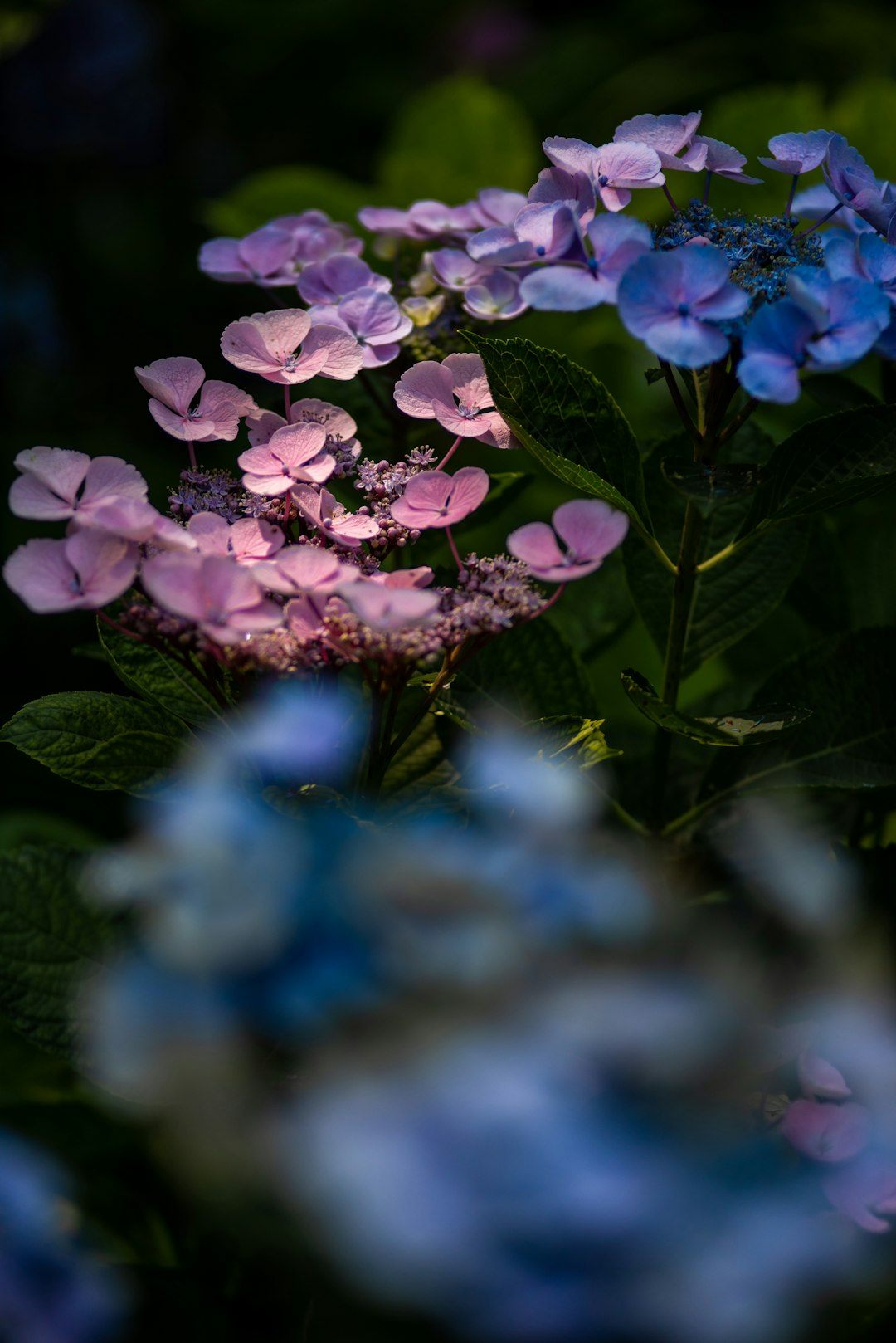
In the world of garden design, there's a new trend that's not only beneficial for your garden but also for the environment. It's called the Slow Mow Summer, a practice that focuses on mowing less area less often. This approach is a game - changer for nature lovers and those who are passionate about gardening.
Pollinators, such as bees and butterflies, play a crucial role in our ecosystem. They are responsible for pollinating a large portion of the world's food crops and wild plants. However, their populations have been in decline in recent years due to various factors, including habitat loss. Traditional mowing practices, which often involve frequent and extensive mowing, can destroy the habitats of these important pollinators. By practicing a Slow Mow Summer, we can provide them with the space and resources they need to thrive.
During a Slow Mow Summer, instead of mowing your entire lawn on a regular basis, you can leave some areas unmowed. These unmowed areas can serve as mini - habitats for pollinators. The long grass and wildflowers that grow in these areas provide nectar and pollen for bees and butterflies, as well as shelter for other beneficial insects. For example, bumblebees often build their nests in long grass, and many species of butterflies lay their eggs on wildflowers.
Moreover, a Slow Mow Summer can also have a positive impact on the overall health of your garden. When you mow less often, the grass has more time to grow deeper roots. Deeper roots mean that the grass is more drought - tolerant and better able to withstand pests and diseases. This can reduce the need for chemical fertilizers and pesticides, which are not only harmful to the environment but also to human health.
Implementing a Slow Mow Summer doesn't have to be complicated. You can start by designating certain areas of your lawn as 'no - mow zones'. These areas can be along the edges of your lawn, near flower beds, or in corners. You can also create a pollinator garden within these no - mow zones by planting native wildflowers. Native wildflowers are well - adapted to your local climate and soil conditions, and they are more attractive to native pollinators.
Another benefit of a Slow Mow Summer is that it can save you time and energy. Mowing a large lawn can be a time - consuming and physically demanding task. By reducing the amount of area you need to mow, you can free up more time to enjoy other aspects of gardening, such as planting, weeding, and observing the wildlife in your garden.
In addition to the environmental and practical benefits, a Slow Mow Summer can also enhance the aesthetic appeal of your garden. The contrast between the neatly mowed areas and the wild, unmowed areas can create a beautiful and natural look. The wildflowers and long grass can add color and texture to your garden, making it a more inviting and peaceful place to relax.
As more and more people become aware of the importance of protecting pollinators and the environment, the Slow Mow Summer trend is likely to grow. It's a simple yet effective way to make a positive difference in your garden and in the world around you. So, this summer, why not give the Slow Mow Summer a try? Your garden, the pollinators, and the environment will thank you for it.