
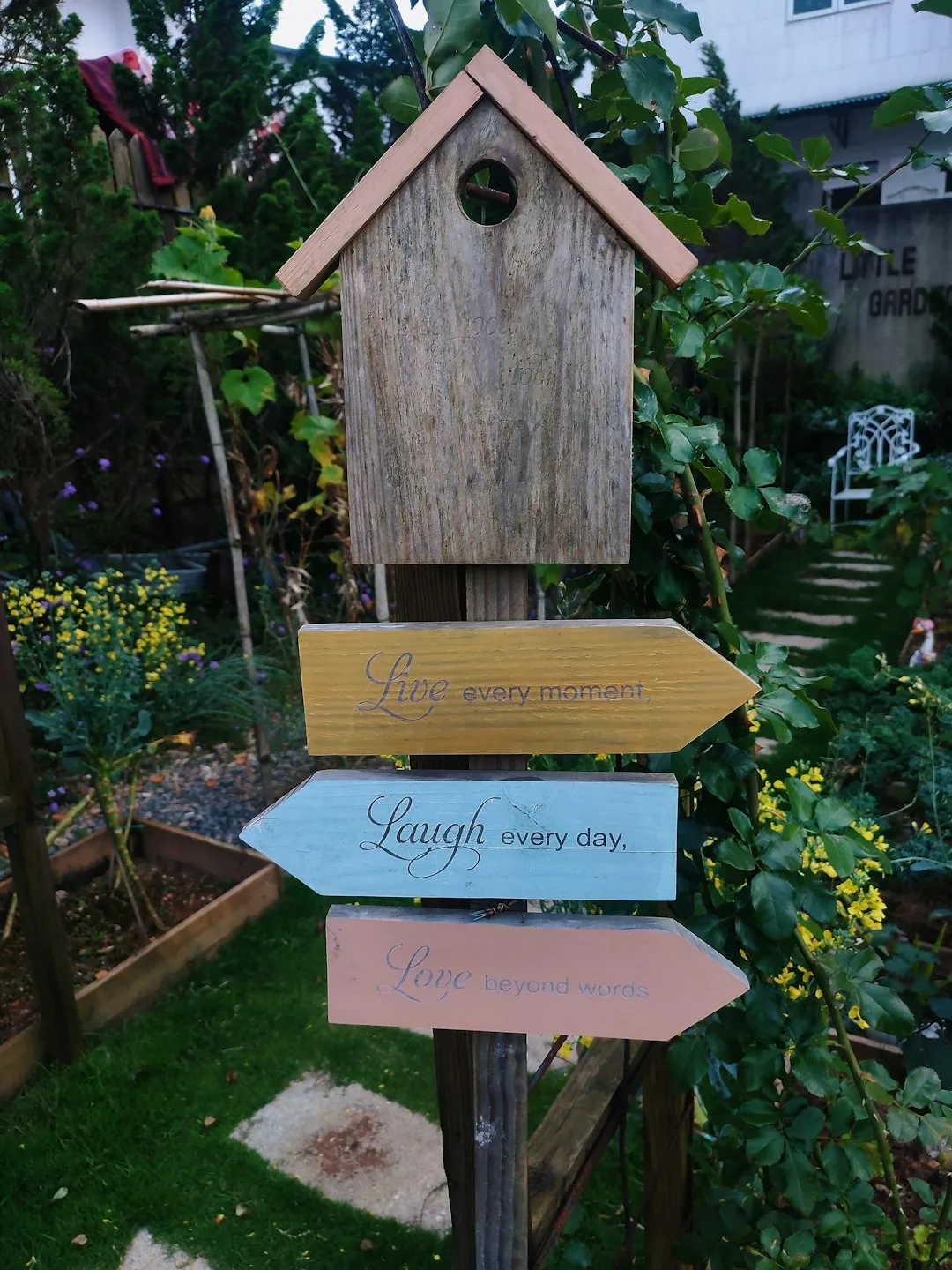
For nature lovers and gardening enthusiasts, designing a garden that is not only beautiful but also beneficial to local wildlife is a rewarding endeavor. One crucial aspect of this is understanding which materials are safe for birds building nests and which can be harmful. This knowledge can significantly contribute to the well - being of our feathered friends and enhance the ecological balance of our gardens.
Let's first explore the safe materials that birds can use for nest building. Natural materials are always a top choice. Twigs and branches are essential components of many bird nests. They provide the structural framework, giving the nest its shape and stability. Different bird species have preferences for the size and type of twigs. For example, larger birds like crows may use thicker branches, while smaller songbirds prefer thin twigs. In your garden, you can leave some pruned branches in a corner, allowing birds easy access to these building materials.
Grasses and straws are also excellent natural options. They are soft and flexible, which helps line the inside of the nest, providing comfort for the eggs and chicks. Birds often weave grasses together to create a cozy interior. You can allow some areas of your garden to grow wild, or collect dried grasses from your lawn after mowing. Just make sure they are free from pesticides and other chemicals.
Leaves are another valuable resource. They add insulation to the nest, keeping the eggs and chicks warm. Fallen leaves from deciduous trees are a great addition. You can rake them into a pile in a quiet corner of your garden, and birds will be able to pick through them at their leisure.
Moss is a popular choice among many bird species. It is soft, absorbent, and can help regulate the humidity inside the nest. You can find moss growing naturally in damp areas of your garden or purchase it from a nursery. Place it in a visible location, and birds will likely incorporate it into their nests.
Now, let's turn our attention to the materials that can be harmful to birds. One of the most common culprits is plastic. Plastic twine, bags, and other debris can get tangled around birds' legs, wings, or necks, causing injury or even death. When cleaning up your garden, make sure to remove all plastic waste and keep it out of reach of birds.
Metallic materials, such as wire, can also pose a danger. Sharp edges can cut the birds, and if ingested, it can cause internal damage. Avoid leaving wire or other metal scraps in your garden.
Chemically - treated materials are a major risk. Wood that has been treated with pesticides, paints, or stains can release toxic fumes or chemicals that are harmful to birds. If you are using any wooden structures in your garden, make sure they are untreated or treated with bird - safe products.
Artificial fibers, like those found in synthetic ropes or fabrics, can be problematic. They may not break down easily and can get caught in the nest, potentially trapping the chicks. Stick to natural fibers whenever possible.
By being mindful of the materials you provide in your garden, you can create a safe and inviting environment for birds to build their nests. This not only supports the local bird population but also adds a touch of nature's charm to your garden. So, take the time to learn about these materials and make your garden a haven for our feathered friends.
As you continue to design your garden, consider creating different habitats for birds. You can plant native trees and shrubs that provide food, shelter, and nesting sites. A water source, such as a birdbath or a small pond, is also essential. Birds need water for drinking and bathing, and it can attract a wider variety of species to your garden.
Educating yourself and others about the importance of bird - friendly gardening is also crucial. Share your knowledge with neighbors, friends, and family. Encourage them to make their gardens more bird - friendly as well. By working together, we can create a network of safe and welcoming gardens for birds across our communities.
In conclusion, understanding the safe and harmful materials for bird nests is an important part of garden design. With a little effort and knowledge, you can transform your garden into a thriving ecosystem where birds can build their homes and raise their young in safety and comfort.