
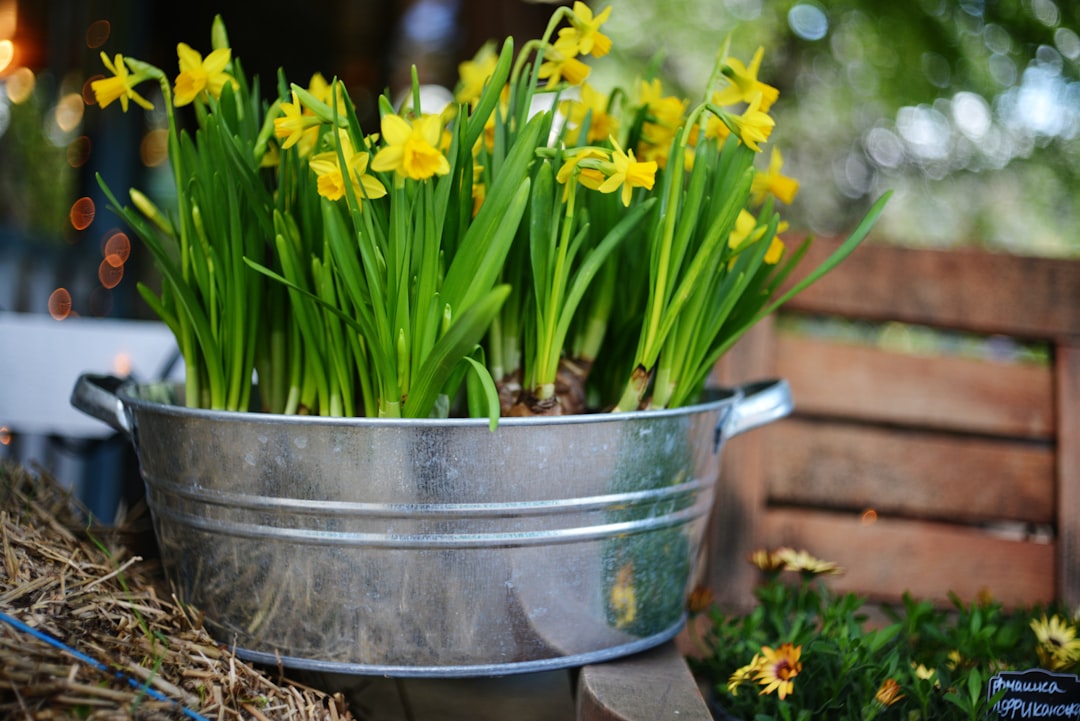
When it comes to creating a vibrant and long - lasting garden, few plants can rival the charm of campion. This hardy perennial is a true gem, boasting neon - colored flowers that seem to glow in the sunlight and silver - gray foliage that adds a touch of elegance to any landscape. In this article, we will explore the essential tips for growing campion successfully.
First and foremost, understanding the basic nature of campion is crucial. Campions belong to the Caryophyllaceae family and are known for their resilience. They can thrive in a variety of soil conditions, but they prefer well - drained soil. If your garden has heavy clay soil, you can improve its drainage by adding organic matter such as compost or peat moss. This will not only help the roots of the campion to breathe but also provide essential nutrients over time.
Sunlight is another key factor in the growth of campion. These perennials love full sun, which means they need at least six hours of direct sunlight each day. However, in extremely hot climates, a bit of afternoon shade can be beneficial to prevent the flowers from wilting. When choosing a location for your campion plants, look for an area that gets plenty of morning sun and is protected from the harshest rays of the afternoon.
Watering is an important aspect of campion care. While they are relatively drought - tolerant once established, they still need regular watering during their initial growth phase. Water the plants deeply but infrequently to encourage the roots to grow deeper into the soil. Over - watering can lead to root rot, so it's important to let the soil dry out slightly between waterings. A good rule of thumb is to stick your finger into the soil about an inch deep. If it feels dry, it's time to water.
Propagation of campion can be done through several methods. One of the most common ways is by seed. You can start the seeds indoors about 6 - 8 weeks before the last frost date. Sow the seeds in a seed - starting tray filled with a light, well - draining seed - starting mix. Keep the soil moist and warm, and the seeds should germinate within a couple of weeks. Once the seedlings have developed a few sets of true leaves, you can transplant them into your garden.
Another propagation method is by division. This is best done in the spring or fall. Carefully dig up an established campion plant and use a sharp knife or garden spade to divide the root ball into smaller sections. Each section should have a few healthy shoots and roots. Replant the divided sections in your garden, making sure to space them adequately to allow for growth.
Pruning is also an important part of maintaining healthy campion plants. After the first flush of flowers has faded, you can deadhead the spent blooms. This will not only keep the plant looking tidy but also encourage a second round of flowering. In the fall, you can cut back the foliage to about 2 - 3 inches above the ground. This will help the plant conserve energy during the winter months.
Fertilizing campion is not overly complicated. A balanced, slow - release fertilizer applied in the spring can provide the necessary nutrients for the growing season. You can also top - dress the soil around the plants with a layer of compost each year to enrich the soil naturally. Avoid over - fertilizing, as this can lead to excessive foliage growth at the expense of flower production.
When it comes to pests and diseases, campion is generally quite resistant. However, they can sometimes be affected by aphids or powdery mildew. To control aphids, you can use a strong stream of water to wash them off the plants or apply an insecticidal soap. For powdery mildew, make sure there is good air circulation around the plants and avoid overhead watering. If necessary, you can use a fungicide according to the manufacturer's instructions.
In conclusion, growing campion can be a rewarding experience. With their beautiful neon - colored flowers and silver - gray foliage, they can add a unique and eye - catching element to your garden. By following these essential tips on soil, sunlight, watering, propagation, pruning, fertilizing, and pest control, you can ensure that your campion plants thrive for years to come.