
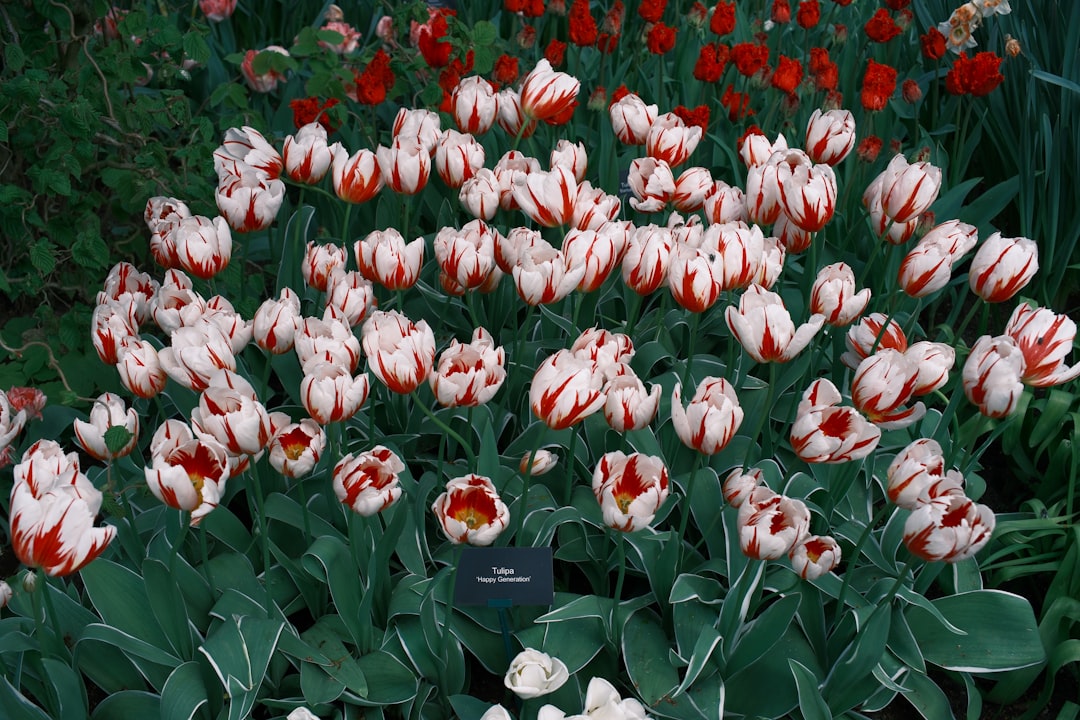
Tulips, those vibrant symbols of spring, have a history that stretches back centuries and is filled with fascinating stories and little - known facts. In this exploration, we'll delve into the captivating world of these beloved spring bulbs.
The story of tulips begins in Central Asia, where they grew wild in the mountains. They were first cultivated by the Ottoman Turks in the 10th century. The word "tulip" is thought to have originated from the Persian word "dulband," which means turban. This is likely because the shape of the flower was reminiscent of a turban. The Turks were so enamored with tulips that they developed an elaborate tulip culture. Tulips were featured in paintings, poetry, and even on the tiles of mosques.
During the 16th century, tulips were introduced to Europe by the Austrian ambassador to the Ottoman Empire, Ogier Ghiselin de Busbecq. He sent bulbs and seeds back to Vienna, where they quickly caught the attention of botanists and horticulturists. The Dutch, in particular, were smitten with these exotic flowers. In the 17th century, the Netherlands experienced a phenomenon known as "Tulip Mania." At the height of this frenzy, single tulip bulbs could sell for the price of a luxurious house. People from all walks of life, from merchants to laborers, were involved in the tulip trade. Contracts were bought and sold for future delivery of bulbs, and prices soared to astronomical levels. However, the bubble eventually burst, leading to a significant economic crash in the Netherlands.
One of the most interesting aspects of tulips is their wide range of colors and patterns. There are over 3,000 registered varieties of tulips, each with its own unique charm. The colors can range from the purest white to the deepest red, and there are also bi - colored and multi - colored varieties. Some tulips have fringed petals, while others have a ruffled appearance. The shape of the flower can vary as well, from the classic cup - shaped tulip to the more elongated lily - flowered tulips.
Tulips are also known for their symbolism. In general, they are associated with love and perfect love. Red tulips, in particular, are a classic symbol of passionate love, similar to red roses. Yellow tulips were once thought to represent hopeless love, but now they are more commonly associated with cheerfulness and friendship. White tulips symbolize purity and forgiveness. Purple tulips are often linked to royalty and luxury.
When it comes to gardening with tulips, they are relatively easy to grow. They prefer well - drained soil and full sun or partial shade. Tulip bulbs should be planted in the fall, about 6 - 8 inches deep and 4 - 6 inches apart. They need a period of cold dormancy to bloom properly in the spring. After the flowers have faded, it's important to let the foliage die back naturally. This allows the bulb to store energy for the next year's growth. Deadheading the spent flowers can also help the plant focus its energy on bulb development.
There are also different types of tulips for different gardening needs. Early - blooming tulips, such as the Kaufmanniana and Fosteriana varieties, are great for adding color to the garden early in the spring. Mid - season tulips, like the Darwin Hybrid tulips, have large, sturdy flowers. Late - blooming tulips, such as the Greigii and Triumph tulips, can extend the tulip season into late spring.
In conclusion, tulips are not just beautiful flowers; they are a living piece of history. Their journey from the mountains of Central Asia to the gardens of the world is a testament to their enduring appeal. Whether you're a seasoned gardener or just someone who appreciates the beauty of nature, there's always something new to discover about these enchanting spring bulbs.