
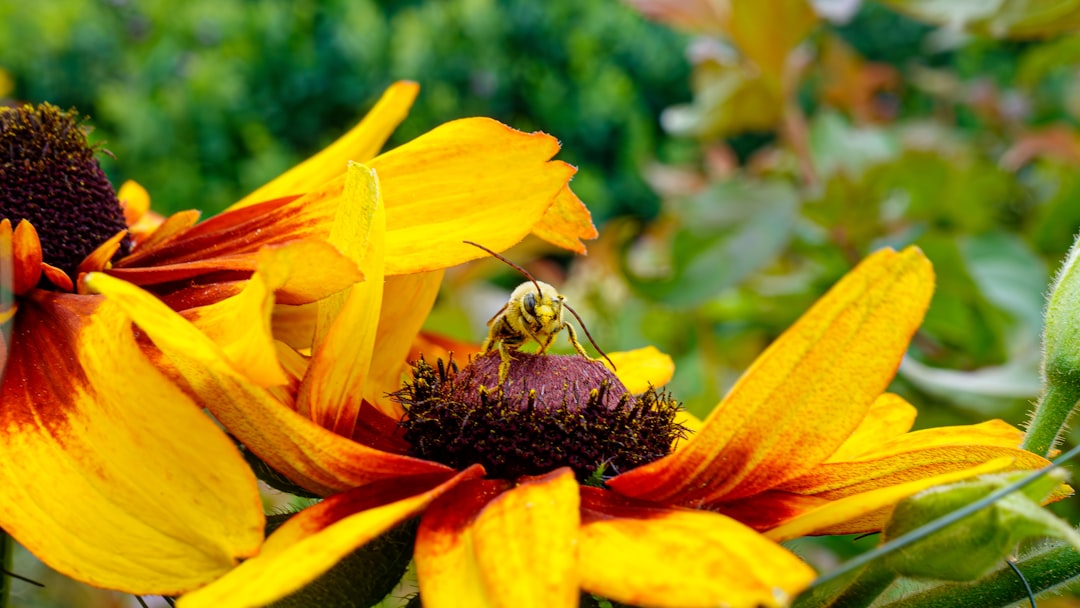
In the realm of gardening, few sights are as captivating as the clusters of native gentian in full bloom. These remarkable flowers, with their diverse hues of white, purple, and a shade that comes close to a mesmerizing blue, add a touch of elegance and charm to any garden landscape. In this article, we will delve deep into the world of native gentian, exploring its unique characteristics, ideal growing conditions, and how it pairs beautifully with other shade - loving plants.
Native gentian, a perennial flower, has a long - standing presence in the gardening community. Its blooms are not only visually appealing but also have a certain allure that draws in both novice and experienced gardeners alike. The clusters of flowers are a sight to behold, creating a focal point in any garden. The white gentians exude a sense of purity and innocence, while the purple ones bring a touch of royalty and mystery. The near - blue variety, on the other hand, is truly a rarity, adding a splash of something extraordinary to the garden.
One of the most fascinating aspects of native gentian is its adaptability to shade. Unlike many other flowers that require full sunlight to thrive, native gentian prefers shady areas. This makes it an excellent choice for gardens with large trees or structures that cast shadows. However, it's important to note that while it loves shade, it also has specific soil requirements. Native gentian thrives in moist soil. The moisture helps the plant to develop strong roots and produce healthy, vibrant blooms. If the soil is too dry, the plant may struggle to grow and may not flower as profusely.
When it comes to pairing native gentian with other plants, the options are quite extensive. Since it loves shade and moist soil, it pairs well with other shade - loving perennials that have similar growing conditions. For example, hostas are a popular choice. Hostas come in a variety of sizes and leaf colors, from bright greens to variegated patterns. Their large, lush leaves provide a beautiful backdrop for the delicate blooms of the native gentian. The combination of the hostas' foliage and the gentian's flowers creates a visually stunning display.
Another great companion plant for native gentian is ferns. Ferns are known for their feathery fronds and their ability to thrive in shady, moist environments. They add a sense of softness and texture to the garden. When planted alongside native gentian, ferns create a natural - looking, woodland - like setting. The contrast between the ferns' fronds and the gentian's flowers adds depth and interest to the garden bed.
To ensure the best growth of native gentian, proper care is essential. When planting, make sure to choose a location that receives dappled shade throughout the day. Prepare the soil by adding organic matter such as compost or well - rotted manure. This will help to improve the soil's structure and retain moisture. Water the plant regularly, especially during dry spells, but be careful not to over - water as this can lead to root rot.
During the growing season, it's a good idea to fertilize the native gentian with a balanced, slow - release fertilizer. This will provide the plant with the necessary nutrients for healthy growth and abundant blooms. Deadheading, or removing the spent flowers, can also encourage the plant to produce more blooms. At the end of the growing season, cut back the foliage to the ground to prepare the plant for winter.
In conclusion, native gentian is a wonderful addition to any garden. Its beautiful clusters of flowers in shades of white, purple, and near - blue, along with its ability to thrive in shade and moist soil, make it a versatile and attractive plant. By pairing it with other shade - loving perennials like hostas and ferns, you can create a stunning garden display that will be the envy of your neighbors. With proper care and attention, native gentian will continue to grace your garden with its beauty year after year.