
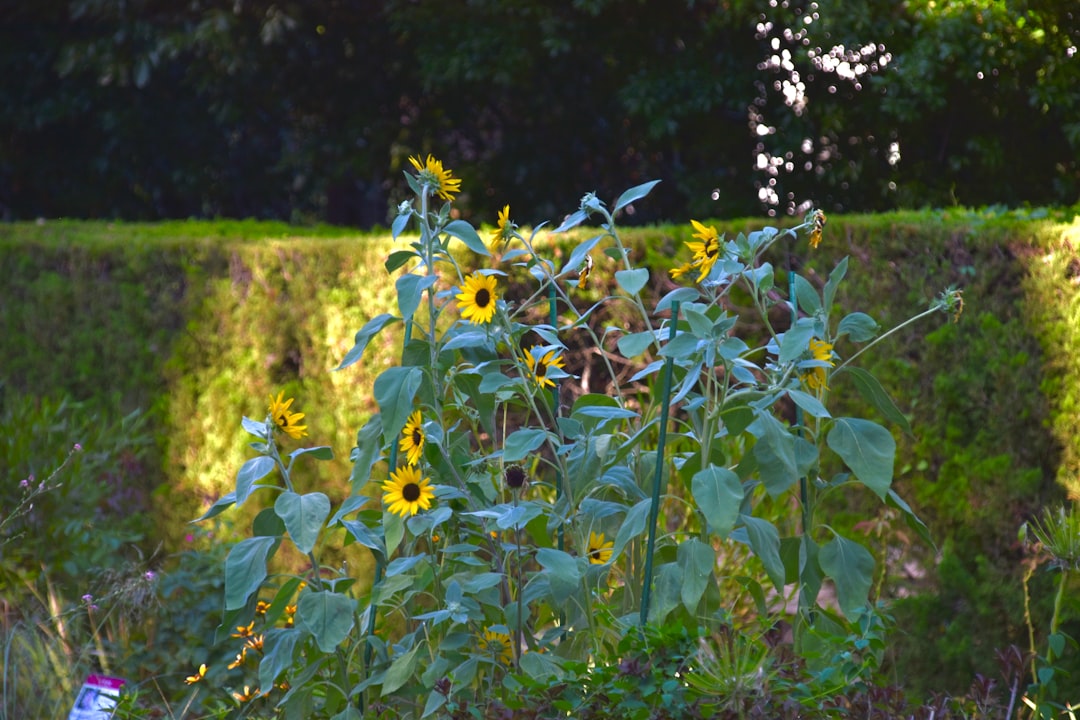
Annual flower gardening is a delightful endeavor that allows enthusiasts to transform their outdoor spaces into vibrant and colorful havens. Among the many annual flowers available, Gazanias stand out as a remarkable choice, offering not only gorgeous colors but also excellent heat and drought tolerance.
Gazanias, scientifically known as Gazania rigens, are native to South Africa. These charming flowers belong to the Asteraceae family and are often referred to as treasure flowers or African daisies. Their popularity has soared in recent years, and it's not hard to see why. With their large, daisy - like blooms, Gazanias come in a wide range of colors, including shades of yellow, orange, pink, red, and white. Some varieties even feature bi - colored or multi - colored petals, adding a touch of uniqueness to any garden.
One of the most significant advantages of growing Gazanias in an annual flower garden is their adaptability to hot and dry conditions. In regions with scorching summers and limited water availability, Gazanias can thrive where other flowers might wither. Their thick, fleshy leaves are designed to store water, enabling them to withstand long periods of drought. This makes them an ideal choice for xeriscaping, a landscaping method that focuses on water conservation.
When it comes to planting Gazanias, they prefer well - drained soil and full sun exposure. They can be started from seeds indoors about 6 - 8 weeks before the last frost date or directly sown into the garden after the danger of frost has passed. For indoor sowing, fill seed trays with a good quality seed - starting mix, sprinkle the seeds on the surface, and lightly cover them with a thin layer of soil. Keep the soil moist but not waterlogged, and place the trays in a warm, sunny location. Once the seedlings have developed a few sets of true leaves, they can be transplanted into the garden.
In the garden, space Gazania plants about 8 - 12 inches apart to allow for proper air circulation and growth. They are relatively low - maintenance plants. Fertilizing them once a month with a balanced, water - soluble fertilizer during the growing season can help promote healthy growth and abundant blooms. However, be careful not to over - fertilize, as this can lead to excessive foliage growth at the expense of flowers.
Gazanias are also known for attracting pollinators such as bees and butterflies to the garden. These pollinators play a crucial role in the ecosystem by helping to fertilize plants and ensure the production of fruits and seeds. By planting Gazanias, you are not only adding beauty to your garden but also contributing to the well - being of the local environment.
Another interesting aspect of Gazanias is their behavior. Their flowers tend to close at night and on cloudy days, which is a natural adaptation to protect the reproductive parts of the flower. This opening and closing cycle can add an element of surprise and charm to the garden, as the flowers seem to come alive during sunny days, creating a spectacular display of color.
When it comes to companion planting, Gazanias pair well with other heat - loving annuals such as petunias, marigolds, and zinnias. These combinations can create a visually appealing and harmonious garden bed. For example, the bright colors of Gazanias can be complemented by the soft pastels of petunias or the bold oranges and yellows of marigolds.
As the growing season comes to an end, Gazanias can be treated as annuals and removed from the garden. However, in some milder climates, they may come back as perennials. If you want to save seeds for the next season, allow the flower heads to dry on the plant. Once they are completely dry, gently shake the flower heads over a paper bag to collect the seeds. Store the seeds in a cool, dry place until it's time to plant them again.
In conclusion, Gazanias are a wonderful addition to any annual flower garden. Their gorgeous colors, heat and drought tolerance, low - maintenance nature, and ability to attract pollinators make them a top choice for both novice and experienced gardeners. Whether you have a small balcony garden or a large backyard, Gazanias can bring a touch of beauty and resilience to your outdoor space.