
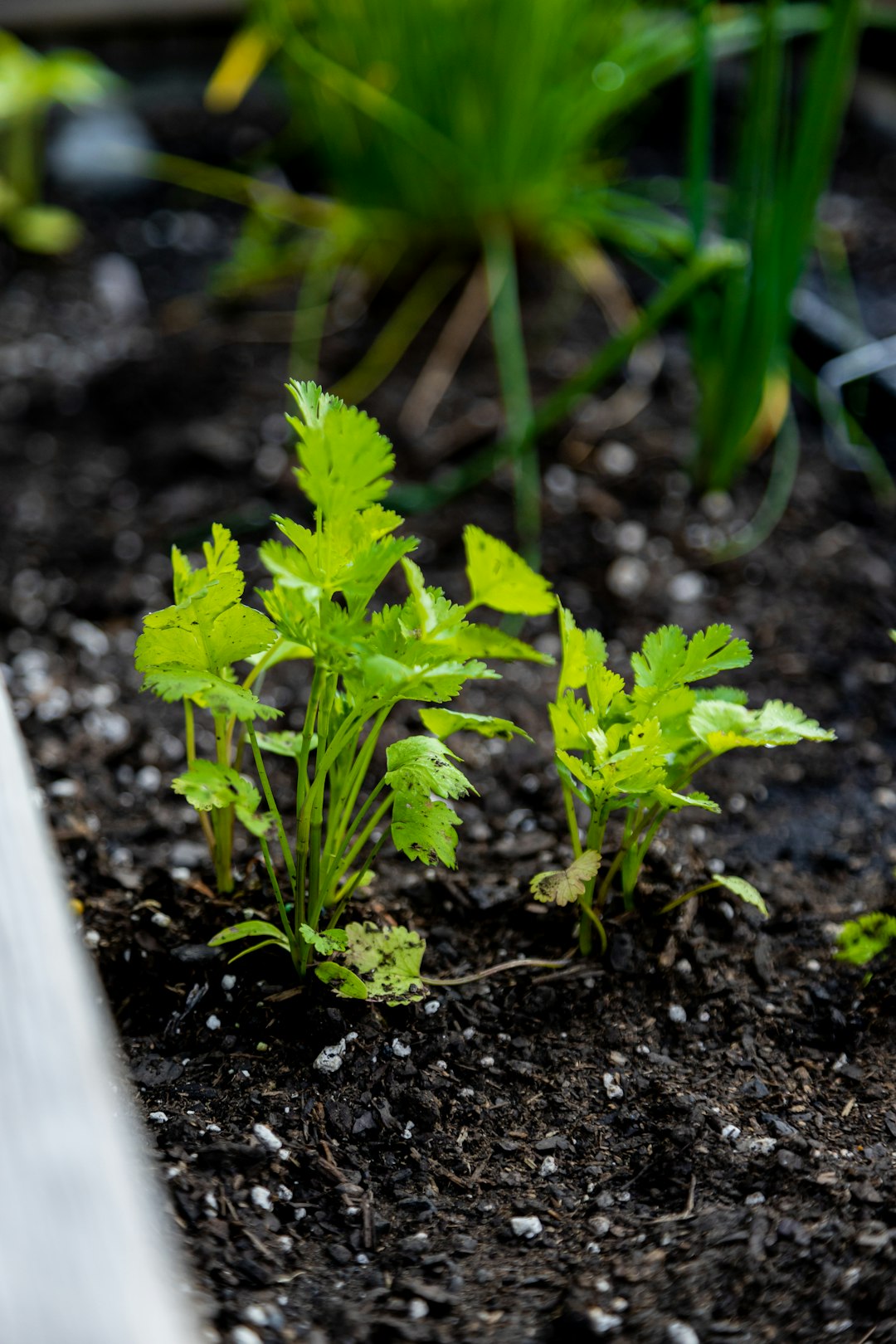
Stephen Orr from BHG is on a remarkable mission — to reintroduce the fragrant hyacinths to gardens far and wide. Hyacinths, with their vibrant colors and intoxicating scents, have long been a favorite among garden enthusiasts. These bulbs are not only a delight to the eyes but also add a touch of elegance to any garden setting.
Hyacinths belong to the genus Hyacinthus, and they come in a variety of colors, including purple, pink, white, and blue. Their bell - shaped flowers are clustered on a single spike, creating a visually stunning display. The fragrance of hyacinths is one of their most distinctive features. It is sweet, strong, and can fill an entire garden with its aroma, making them a popular choice for cut - flower arrangements as well.
One of the reasons why hyacinths are so appealing is their relatively easy cultivation. To grow your own hyacinths, you first need to understand their basic requirements. These bulbs thrive in well - drained soil. Before planting, it is advisable to prepare the soil by adding organic matter such as compost or well - rotted manure. This helps to improve the soil structure and provides essential nutrients for the bulbs.
The best time to plant hyacinth bulbs is in the fall, usually around September or October, depending on your location. The bulbs should be planted at a depth of about 4 - 6 inches and spaced about 4 - 6 inches apart. This gives them enough room to grow and develop properly. When planting, make sure the pointed end of the bulb is facing upwards. After planting, water the bulbs thoroughly to settle the soil around them.
Hyacinths require full sun to partial shade. They need at least 6 hours of sunlight per day to grow and bloom successfully. In areas with hot summers, some afternoon shade can be beneficial to prevent the flowers from fading too quickly. Watering is also crucial for hyacinths. They need regular watering, especially during the growing season. However, it is important not to over - water them, as this can lead to bulb rot. A good rule of thumb is to keep the soil moist but not waterlogged.
Fertilizing hyacinths can also enhance their growth and blooming. A balanced fertilizer, such as a 10 - 10 - 10 formula, can be applied in the spring when the shoots start to emerge. This provides the necessary nutrients for the plants to produce healthy foliage and beautiful flowers. After the hyacinths have finished blooming, you can deadhead the spent flowers to encourage the plant to focus its energy on bulb development.
Once the foliage has turned yellow and died back, it is a sign that the hyacinths are entering their dormant period. At this time, you can stop watering and let the bulbs rest. You can leave the bulbs in the ground for the next growing season, or you can dig them up, dry them, and store them in a cool, dry place until it's time to plant them again.
Hyacinths can be used in a variety of garden designs. They look great when planted in borders, along walkways, or in containers. In a border, they can be combined with other spring - blooming bulbs such as tulips and daffodils to create a colorful and fragrant display. In containers, they can be used as a focal point on a patio or balcony.
Another interesting aspect of hyacinths is their cultural significance. In many cultures, hyacinths symbolize rebirth, spring, and new beginnings. They are often associated with festivals and celebrations during the spring season. Their beauty and fragrance have also inspired poets and artists throughout history.
In conclusion, Stephen Orr's mission to bring hyacinths back to gardens is a noble one. These bulbs offer a wonderful combination of beauty, fragrance, and ease of cultivation. Whether you are an experienced gardener or a beginner, growing hyacinths can be a rewarding experience. By following the simple steps outlined above, you can enjoy the sight and smell of these lovely flowers in your own garden year after year.