
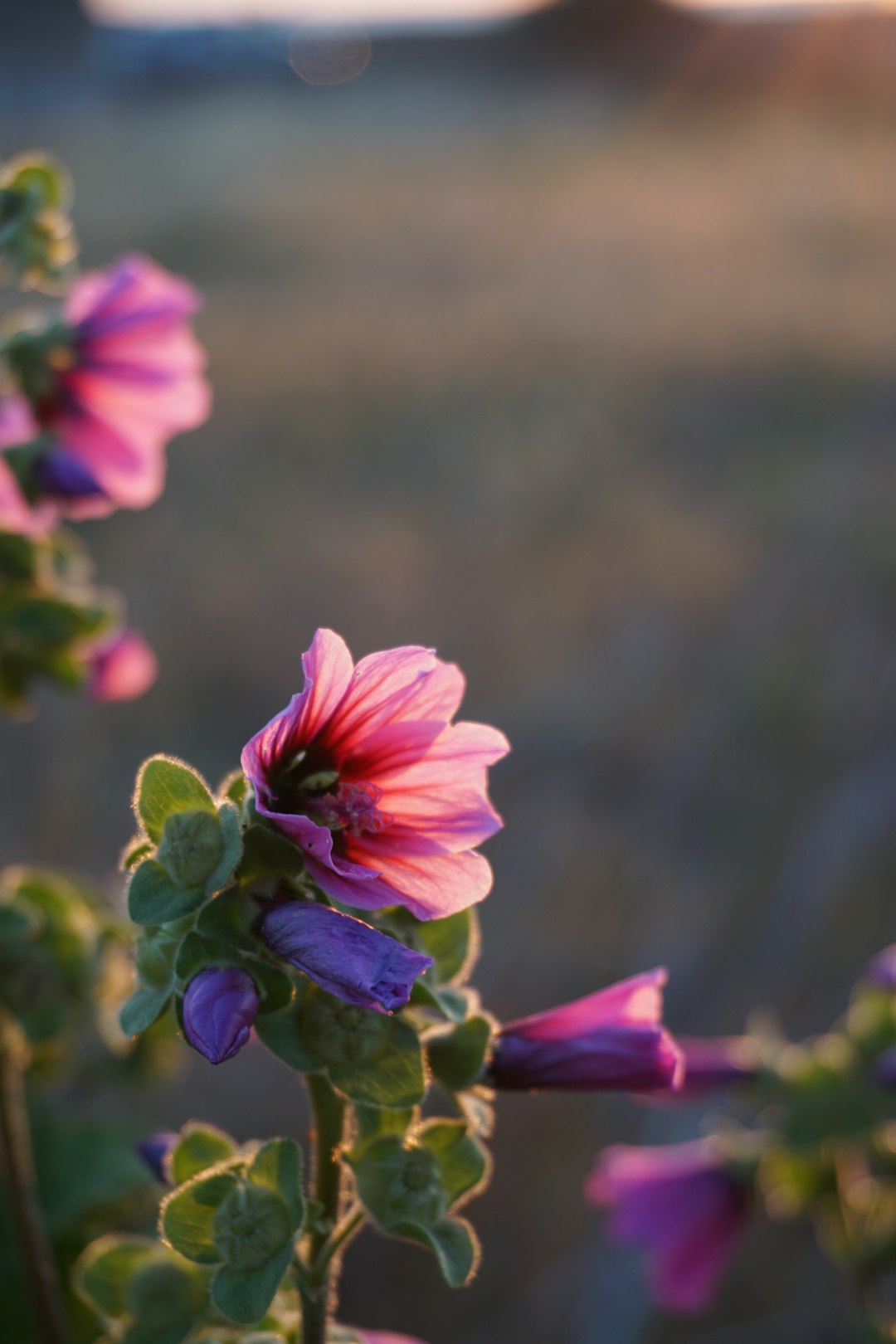
When it comes to creating a charming cottage - style garden, few plants can rival the allure of soapwort. This unassuming yet remarkable perennial has long been a staple in gardens, thanks to its abundant display of delicate blossoms and robust growth pattern.
Soapwort, scientifically known as Saponaria officinalis, belongs to the Caryophyllaceae family. Its name itself holds a clue to its historical use. The plant contains saponins, natural compounds that produce a soapy lather when mixed with water. In the past, people used soapwort as a natural detergent for cleaning delicate fabrics and even for personal hygiene.
The aesthetic appeal of soapwort is truly captivating. Its flowers are a sight to behold, featuring clusters of small, five - petaled blooms that come in a range of colors, including pink, white, and sometimes a soft lavender hue. These dainty flowers seem to float above the foliage, creating a cloud - like effect in the garden. The blossoms typically appear in mid - to late summer, adding a splash of color to the garden when many other plants are starting to fade.
One of the reasons soapwort is so beloved by gardeners is its vigorous growth habit. It is a hardy plant that can thrive in a variety of soil conditions. While it prefers well - drained soil, it can tolerate slightly moist and even poor - quality soils. This makes it an ideal choice for gardeners who may not have the most fertile or well - tended plots. Soapwort also has a high tolerance for sunlight, although it can also do well in partial shade. This adaptability means that it can be planted in different areas of the garden, from sunny borders to the edges of wooded areas.
Another advantage of growing soapwort is its low maintenance requirements. Once established, it is relatively drought - tolerant, so you don't have to worry about watering it constantly. It is also resistant to many common pests and diseases, which saves you the hassle of using chemical pesticides and fungicides. This makes soapwort an environmentally friendly option for your garden.
When it comes to propagation, soapwort is quite easy to grow from seeds or cuttings. Seeds can be sown directly in the garden in the spring or fall. If you choose to start them indoors, you can transplant the seedlings outside after the last frost. Cuttings can be taken from healthy plants during the growing season and rooted in a well - draining potting mix. This ease of propagation allows you to expand your soapwort collection or share it with fellow gardeners.
In a cottage garden setting, soapwort can be used in a variety of ways. It looks stunning when planted in large drifts, creating a sea of color. You can also pair it with other perennials such as lavender, salvia, and yarrow. The soft colors of soapwort complement the bolder hues of these plants, creating a harmonious and visually appealing garden bed. It can also be used as a ground cover, especially on slopes or in areas where other plants may struggle to grow.
Soapwort also has some ecological benefits. Its flowers are a rich source of nectar for bees, butterflies, and other pollinators. By planting soapwort in your garden, you are not only adding beauty but also supporting the local ecosystem. The presence of these pollinators can also help to improve the overall health and productivity of your garden by facilitating the pollination of other plants.
In conclusion, soapwort is a true gem in the world of gardening. Its profusion of dainty blooms, vigorous growth habit, low maintenance requirements, and ecological benefits make it an excellent choice for both novice and experienced gardeners. Whether you are looking to create a traditional cottage garden or simply add a touch of color and charm to your outdoor space, soapwort is a plant that should not be overlooked.