
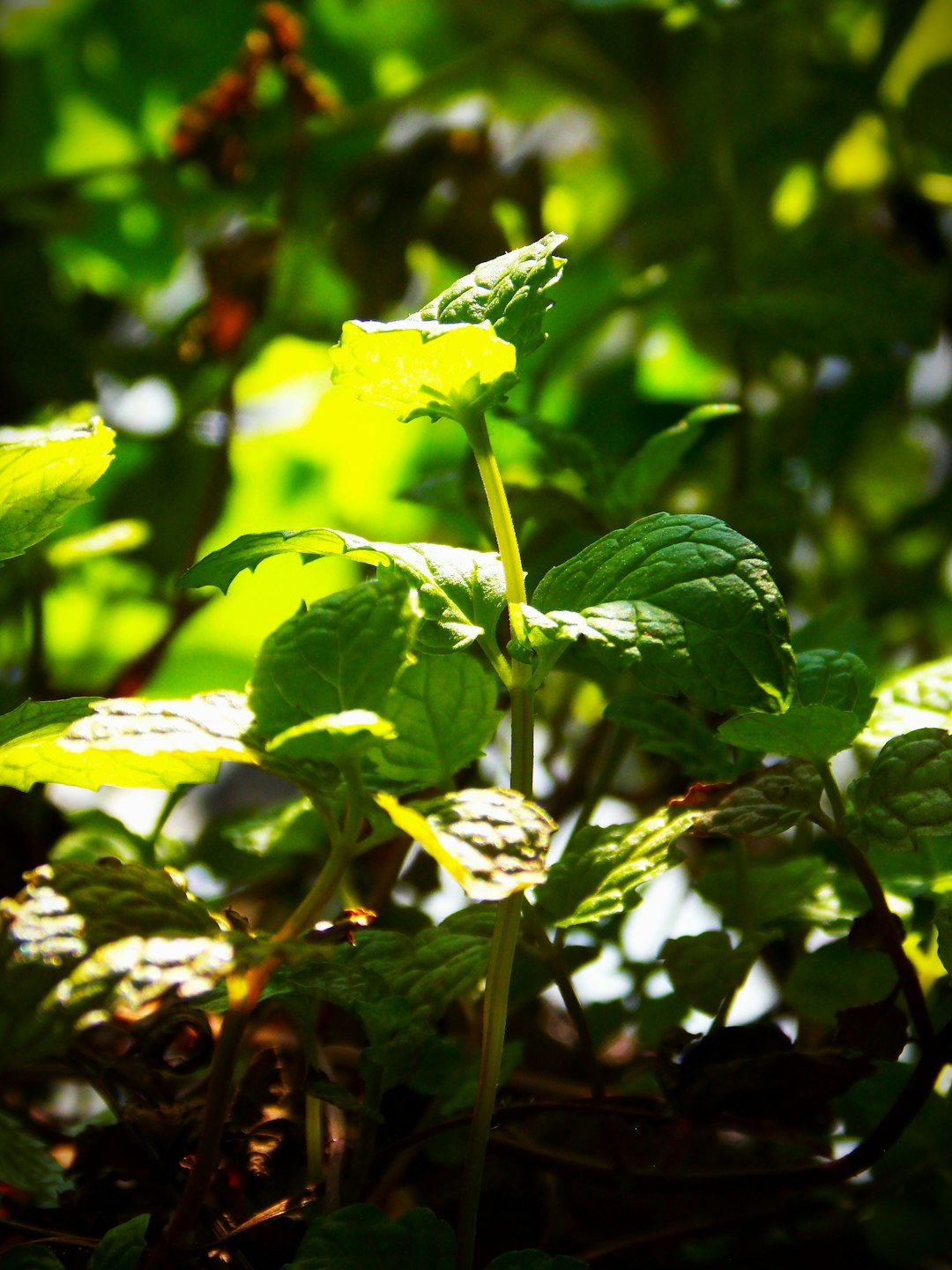
Edible gardening, especially vegetable gardening, is a rewarding endeavor that combines the joys of nature with the satisfaction of harvesting your own produce. With a few easy, expert - backed tricks and planting strategies, you can transform your garden into a productive oasis that yields a big bounty.
One of the first steps in successful vegetable gardening is choosing the right location. Vegetables generally need at least six hours of direct sunlight per day. Observe your yard throughout the day to find a spot that gets ample sunlight. A south - facing area is often ideal as it receives the most sunlight. Make sure the location is also well - drained. Standing water can lead to root rot and other diseases in your plants. If your soil doesn't drain well, you can create raised beds. Raised beds not only improve drainage but also warm up faster in the spring, allowing for earlier planting.
Soil preparation is crucial. Vegetables thrive in rich, fertile soil. Start by testing your soil to determine its pH level and nutrient content. You can purchase a soil testing kit at a local garden center. Most vegetables prefer a slightly acidic to neutral pH, around 6.0 - 7.0. If your soil is too acidic, you can add lime to raise the pH. If it's too alkaline, sulfur can be added to lower it. Incorporate organic matter such as compost, well - rotted manure, or leaf mold into the soil. Organic matter improves soil structure, retains moisture, and provides essential nutrients to the plants. Work the organic matter into the top 8 - 12 inches of soil using a tiller or a garden fork.
When it comes to choosing the vegetables to plant, consider your climate and the length of your growing season. Some vegetables, like tomatoes and peppers, are warm - season crops and require a long growing season with warm temperatures. Others, such as lettuce, spinach, and radishes, are cool - season crops that can tolerate colder temperatures and are best planted in the spring or fall. You can also choose heirloom varieties, which often have unique flavors and characteristics. Heirloom seeds are passed down through generations and are open - pollinated, meaning they will produce plants with the same traits as the parent plant.
Proper spacing is another important factor. Overcrowding plants can lead to poor air circulation, which increases the risk of diseases. Each vegetable has specific spacing requirements. For example, tomato plants should be spaced about 2 - 3 feet apart, while lettuce can be planted closer together, about 6 - 8 inches apart. Refer to the seed packet or plant label for the recommended spacing. You can also use companion planting techniques. Some plants, when grown together, can benefit each other. For instance, marigolds can be planted near tomatoes to repel nematodes, and basil can enhance the flavor of tomatoes when grown nearby.
Watering is essential for the health of your vegetable garden. Water deeply and infrequently rather than giving your plants a light sprinkle every day. This encourages the roots to grow deeper into the soil, making the plants more drought - tolerant. Use a soaker hose or drip irrigation system to deliver water directly to the soil, reducing water waste and minimizing the risk of foliar diseases. Water in the morning to allow the leaves to dry before nightfall, as wet leaves can promote the growth of fungi.
Weeding is an ongoing task in the vegetable garden. Weeds compete with your vegetables for nutrients, water, and sunlight. Remove weeds regularly, either by hand - pulling or using a hoe. Mulching can also help suppress weeds. Apply a layer of organic mulch, such as straw, wood chips, or shredded leaves, around your plants. Mulch not only keeps weeds at bay but also helps retain soil moisture and regulates soil temperature.
Pest control is a challenge in any garden. Instead of relying solely on chemical pesticides, try using natural pest control methods. For example, you can introduce beneficial insects like ladybugs and lacewings, which feed on aphids and other pests. You can also make homemade insecticidal sprays using ingredients like garlic, neem oil, or soap. If you do need to use pesticides, choose organic options that are less harmful to the environment and beneficial insects.
Harvesting your vegetables at the right time is the final step in enjoying the fruits of your labor. Different vegetables have different signs of readiness for harvest. Tomatoes are ready when they are fully colored and slightly soft to the touch. Lettuce can be harvested when the leaves are large enough to eat. Regular harvesting also encourages the plants to produce more. For example, picking beans regularly will stimulate the plant to produce more pods.
In conclusion, by following these easy, expert - backed tricks and planting strategies, you can create a thriving vegetable garden that provides you with a big bounty of fresh, delicious produce. Whether you have a large backyard or a small balcony, edible gardening is a fulfilling activity that allows you to connect with nature and enjoy the rewards of growing your own food.