
Edible gardening has gained significant popularity in recent years, and one herb that stands out is chives. These slender, green plants not only add a delightful flavor to your dishes but also bring a touch of elegance to your garden. In this article, we'll explore whether chives are perennial plants in your area and how you can make the most of them.
First, let's address the question of whether chives are perennial. Chives (Allium schoenoprasum) are generally considered perennial herbs. However, their hardiness can vary depending on your geographical location. In colder regions, chives may die back during the winter months but will regrow in the spring. In milder climates, they can remain green and productive throughout the year.
To determine if chives are perennial in your area, you need to consider the USDA hardiness zone. Chives are typically hardy in zones 3 to 9. If you live in a zone within this range, you can expect your chives to come back year after year. However, if you're in a zone outside of this range, you may need to take extra precautions or treat them as annuals and replant them in the spring.
Now that you know about their hardiness, let's move on to getting the most out of your chives plants. One of the great things about chives is their versatility. They can be used in a variety of culinary dishes, from salads and soups to omelets and dips. Their mild onion flavor adds a fresh and vibrant taste to any recipe.
When it comes to harvesting chives, it's important to do it correctly to ensure continued growth. You can start harvesting chives once the plants are about 6 inches tall. Use a sharp pair of scissors or pruning shears to cut the leaves about 2 inches above the soil level. Avoid cutting too close to the base, as this can damage the plant. Regular harvesting will encourage new growth and keep your chives looking healthy.
In addition to their culinary uses, chives also have some benefits for your garden. They are known to repel certain pests, such as aphids and Japanese beetles. Planting chives near other vegetables and herbs can help protect them from these unwanted visitors. Chives also attract beneficial insects, such as bees and butterflies, which are important for pollination.
Another way to maximize the potential of your chives is to divide them periodically. Over time, chive plants can become crowded, which can affect their growth and productivity. Dividing the plants every 2 to 3 years will help keep them healthy and vigorous. To divide chives, carefully dig up the clump and separate it into smaller sections. Replant the sections in well-drained soil, spacing them about 6 to 8 inches apart.
When it comes to caring for chives, they are relatively low-maintenance plants. They prefer full sun but can tolerate partial shade. Chives also require regular watering, especially during dry periods. However, make sure not to overwater them, as they don't like soggy soil. A layer of mulch around the plants can help retain moisture and suppress weeds.
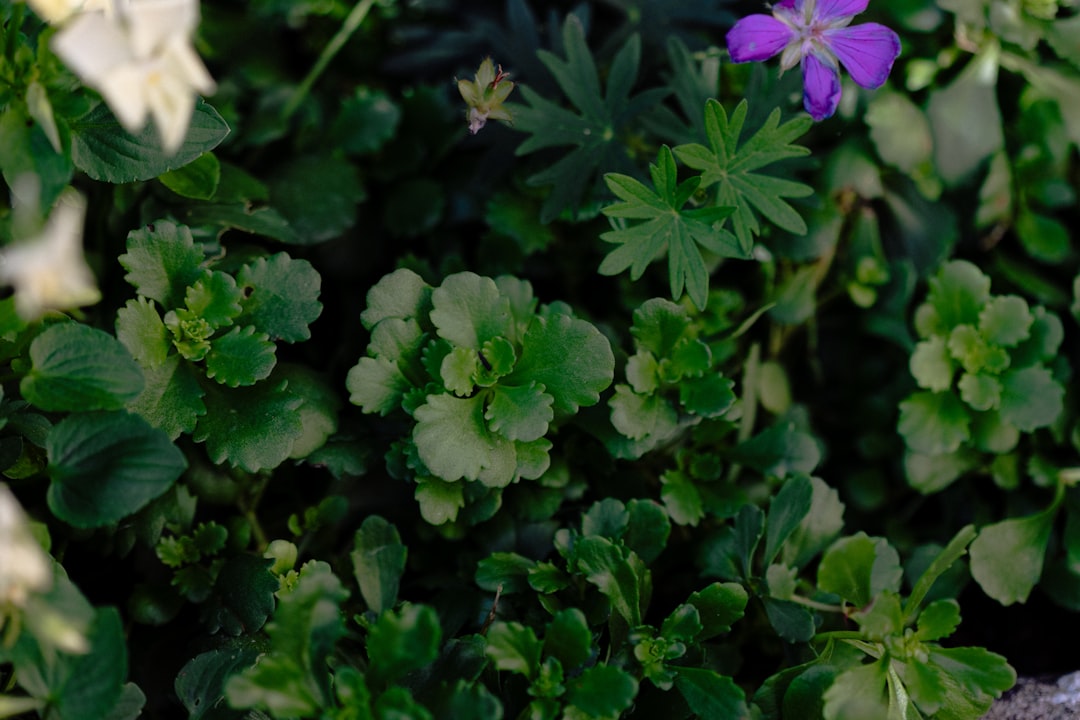
Finally, don't forget to enjoy the beauty of chives in your garden. Their purple flowers are not only attractive but also edible. You can use the flowers in salads or as a garnish for your dishes. They add a pop of color and a subtle onion flavor.
In conclusion, chives are a wonderful addition to any edible garden. Whether you're a seasoned gardener or just starting out, these versatile herbs are easy to grow and offer many benefits. By understanding their hardiness, harvesting them correctly, and providing proper care, you can enjoy a bountiful supply of chives year after year. So, go ahead and plant some chives in your garden and start reaping the rewards.