
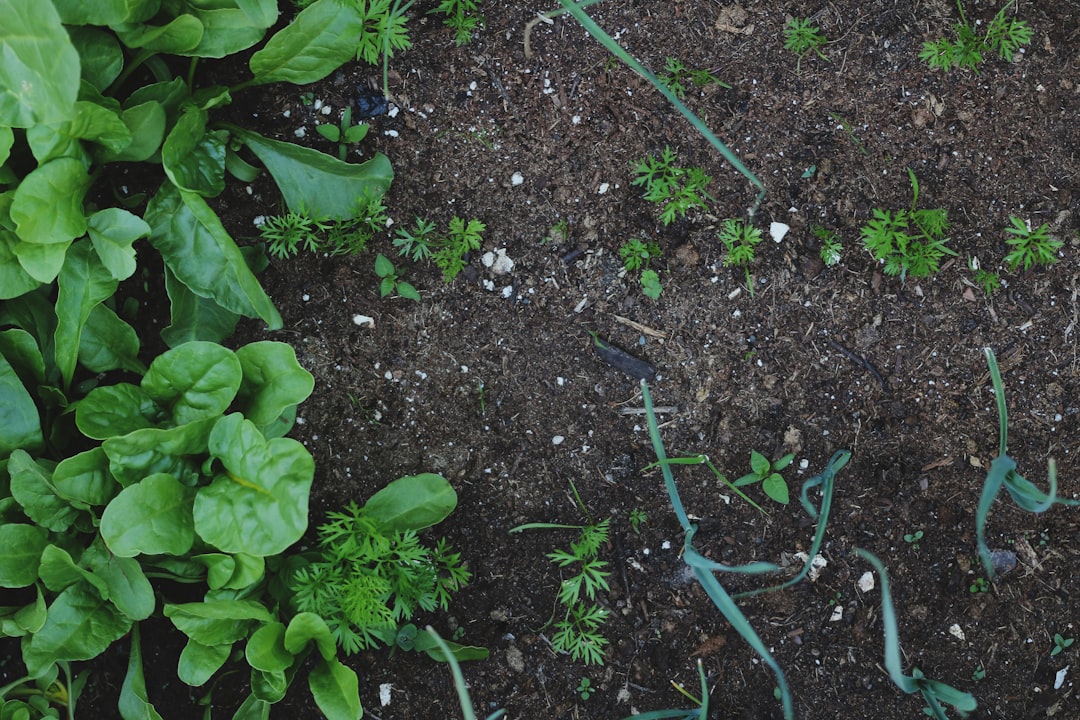
When it comes to gardening and caring for your yard, choosing the right fertilizers is crucial for the health and vitality of your plants. Two commonly used organic fertilizers are blood meal and bone meal. While they both serve the purpose of enriching the soil and providing essential nutrients to plants, there are significant differences between them that can impact your gardening decisions.
Let's start by understanding what blood meal is. Blood meal is a dry, powdery fertilizer made from dried animal blood, typically from cattle. It is a rich source of nitrogen, which is an essential nutrient for plant growth. Nitrogen plays a vital role in the development of leaves, stems, and overall plant vigor. When you apply blood meal to your soil, it quickly releases nitrogen, giving your plants a rapid boost of growth. This makes it an excellent choice for leafy green vegetables, such as lettuce, spinach, and kale, as well as for lawns that need a quick green-up.
One of the advantages of using blood meal is its fast-acting nature. Since nitrogen is readily available in a form that plants can easily absorb, you'll notice visible results in a relatively short period. However, this also means that the effects of blood meal are relatively short-lived. The nitrogen in blood meal can leach out of the soil quickly, especially in areas with heavy rainfall or frequent watering. As a result, you may need to reapply blood meal more frequently to maintain consistent nitrogen levels in the soil.
Another aspect to consider is the odor. Blood meal has a distinct, somewhat unpleasant smell that can attract animals, such as dogs and raccoons. If you have a problem with animals digging in your garden, the smell of blood meal may exacerbate the issue. To mitigate this, you can mix blood meal with other fertilizers or cover it with a layer of soil after application.
Now, let's turn our attention to bone meal. Bone meal is made from ground animal bones, usually from beef cattle. It is a slow-release fertilizer that is high in phosphorus and calcium. Phosphorus is essential for root development, flower formation, and fruit production. Calcium, on the other hand, helps strengthen cell walls and improves overall plant health.
Bone meal is particularly beneficial for plants that require a lot of phosphorus, such as flowering plants, bulbs, and fruit trees. When you apply bone meal to your soil, it gradually releases phosphorus over time, providing a steady supply of nutrients to your plants. This slow-release feature makes bone meal a great choice for long-term soil improvement and for plants that have a long growing season.
One of the advantages of bone meal is its long-lasting effects. Unlike blood meal, which provides a quick but short-lived boost of nutrients, bone meal continues to release phosphorus and calcium into the soil for several months. This means that you don't have to reapply it as often, saving you time and effort. Additionally, bone meal has a relatively mild odor compared to blood meal, making it less likely to attract animals.
However, bone meal also has its limitations. Since it is a slow-release fertilizer, it may not provide an immediate solution if your plants are showing signs of nutrient deficiency. If you need to give your plants a quick boost of phosphorus, you may need to supplement with a water-soluble phosphorus fertilizer. Another consideration is that bone meal may not be suitable for all types of soil. In acidic soils, the phosphorus in bone meal may become less available to plants. In such cases, you may need to adjust the soil pH or choose a different fertilizer.
So, how do you choose between blood meal and bone meal? The answer depends on several factors, including the type of plants you are growing, the nutrient requirements of your soil, and your gardening goals. If you are looking for a fast-acting fertilizer to promote leafy growth, blood meal may be the better choice. On the other hand, if you want to improve root development, flower production, and long-term soil health, bone meal is a great option.
It's also worth noting that you don't have to choose just one. In fact, many gardeners find that using a combination of blood meal and bone meal provides the best results. By combining the fast-acting nitrogen of blood meal with the slow-release phosphorus and calcium of bone meal, you can give your plants a balanced diet of nutrients. You can mix the two fertilizers together before applying them to the soil or apply them separately at different times of the growing season.
In conclusion, understanding the differences between blood meal and bone meal is essential for making informed decisions about fertilizing your plants. Both fertilizers have their unique advantages and disadvantages, and the choice between them depends on your specific gardening needs. By using the right fertilizer at the right time, you can ensure that your plants thrive and your yard looks its best.